
ABM for UK SMEs including the use of AI
ABM for UK SMEs: how to run account-based marketing with a small team, and use AI for account research and outreach without losing credibility. Updated for 2026.

Campaigns
Build a campaign process that lets you create, test, execute, measure and modify at speed. Simple automation, minimum viable content, repurposed assets and journey-based calls to action do most of the work.
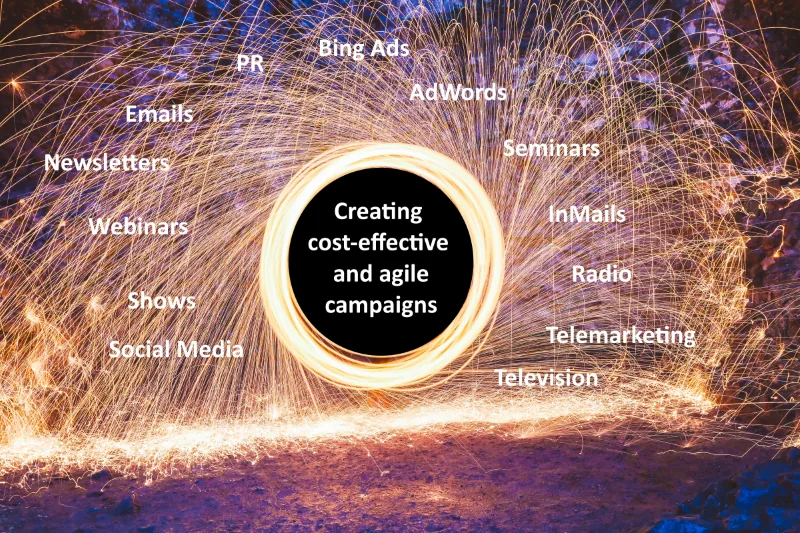
Digital campaigns give you transparency and control. Have enough leads, hit pause. Need more leads, switch the campaigns back on or turn up the investment. The point of an agile campaign is that both moves take minutes rather than a planning cycle.
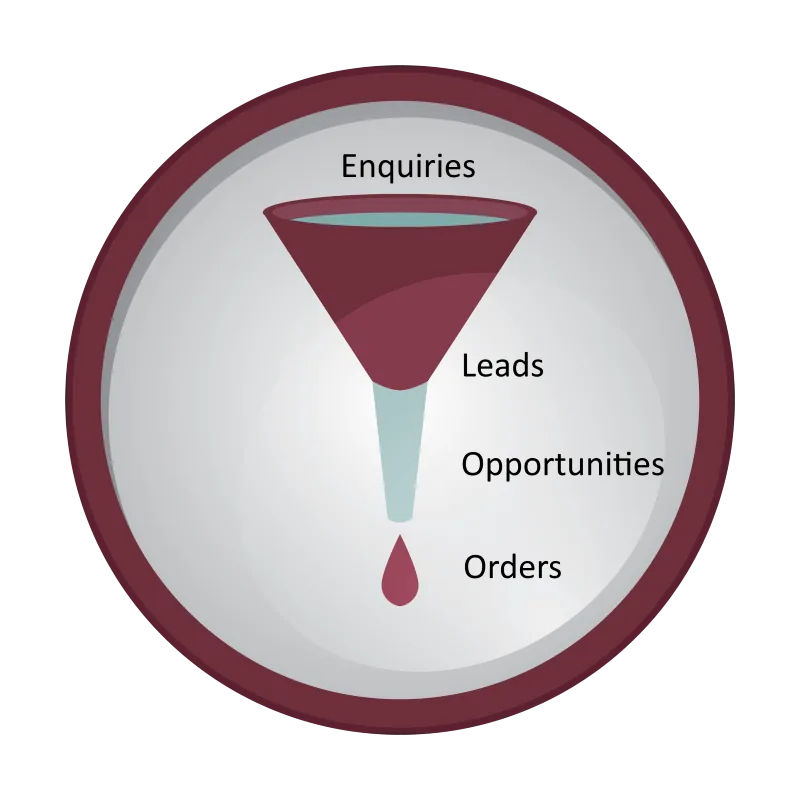
If you know what you are aiming to achieve, you have probably written a marketing plan to get you there. That plan should tell you the enquiries and leads you need each month, at your average or estimated lead-to-order conversion rate, to hit your sales target.
Understanding the shape of your demand generation waterfall is what minimises waste. It tells you where the campaign should concentrate: on targeting, on creating demand, or on converting it.
This is where most campaigns come unstuck. HubSpot found that 74% of the companies not exceeding their revenue goals did not know how they were performing against their visitor, lead and sales opportunity metrics. If you cannot see the waterfall, you cannot tell which part of it is leaking.
Once you know your metrics and your conversion targets, create the campaign roadmap in advance, alongside the marketing plan. Work out what content each campaign needs so you can plan the resource to make it.
Planned campaigns give you time to build properly. Agility is the separate ability to move quickly when something changes.
The best campaigns are often the ones created to respond to something happening around us. At one company I worked at we sold remote working communication solutions, so an impromptu train strike was an opportunity to promote the benefits of working remotely. Getting that message to the audience within a few days tested the agility of the process and our ability to pull resource together quickly.
Whether you are writing an email, posting on social, building a campaign landing page, working on SEO or planning an event, the content is what decides the result.
Write it so it can be used across every channel with small tweaks. Consider minimum viable content rather than aiming for content perfection: repurposing and MVC are what make the return on a content investment worthwhile.
Where possible, build campaigns so they are automated and always on. With automation tools running in the background you can focus on your day job knowing the campaign is still creating leads. Many of the starter packages are excellent and free:
Once your Google and Bing advertising campaigns are set up correctly and performing, they become always-on too.
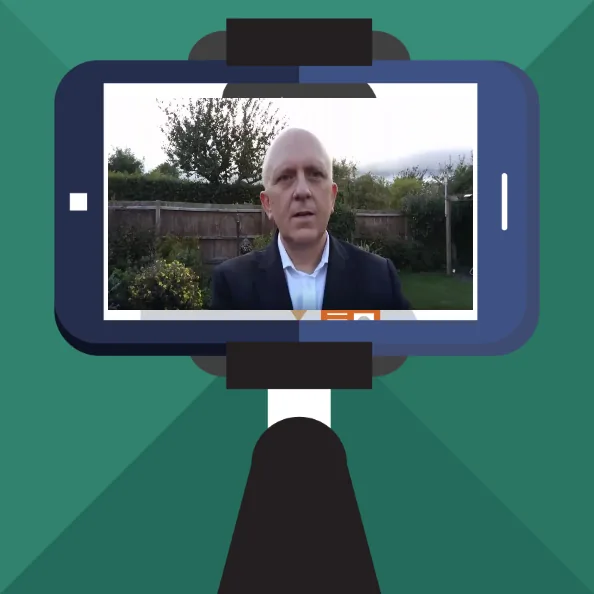
Video helps here as well. Always-on videos on YouTube or Vimeo can explain your company, products and services and support the sales process directly. A video shot on a phone often produces something perfectly acceptable to prospects, and can come across as more personal, genuine and sincere than a corporately produced alternative. That helps build trust.
Identify a single business awareness or sales priority to focus on. Give the campaign a clear name and a theme that runs through everything you build and say in support of it.
Total sales, volumes, the number of new clients, growth of existing customers. Be specific.
From your target figures, work back up through the sales and marketing demand generation funnel to the number of opportunities, marketing leads and enquiries you need.
Detail the priority markets, customers and decision makers your success will come from.
Consider the journey your audience takes, from discovery through exploration and evaluation to purchase, and make sure the campaign addresses the steps that matter most.
Detail how you will reach that audience efficiently, and what each channel contributes to the campaign’s overall target. Channels include:
Develop the messaging and content that will travel through those channels and compel action step by step. That might include:
Define what you will say and offer to encourage engagement, and be explicit about the action you want. Build calls to action that invite a further step:
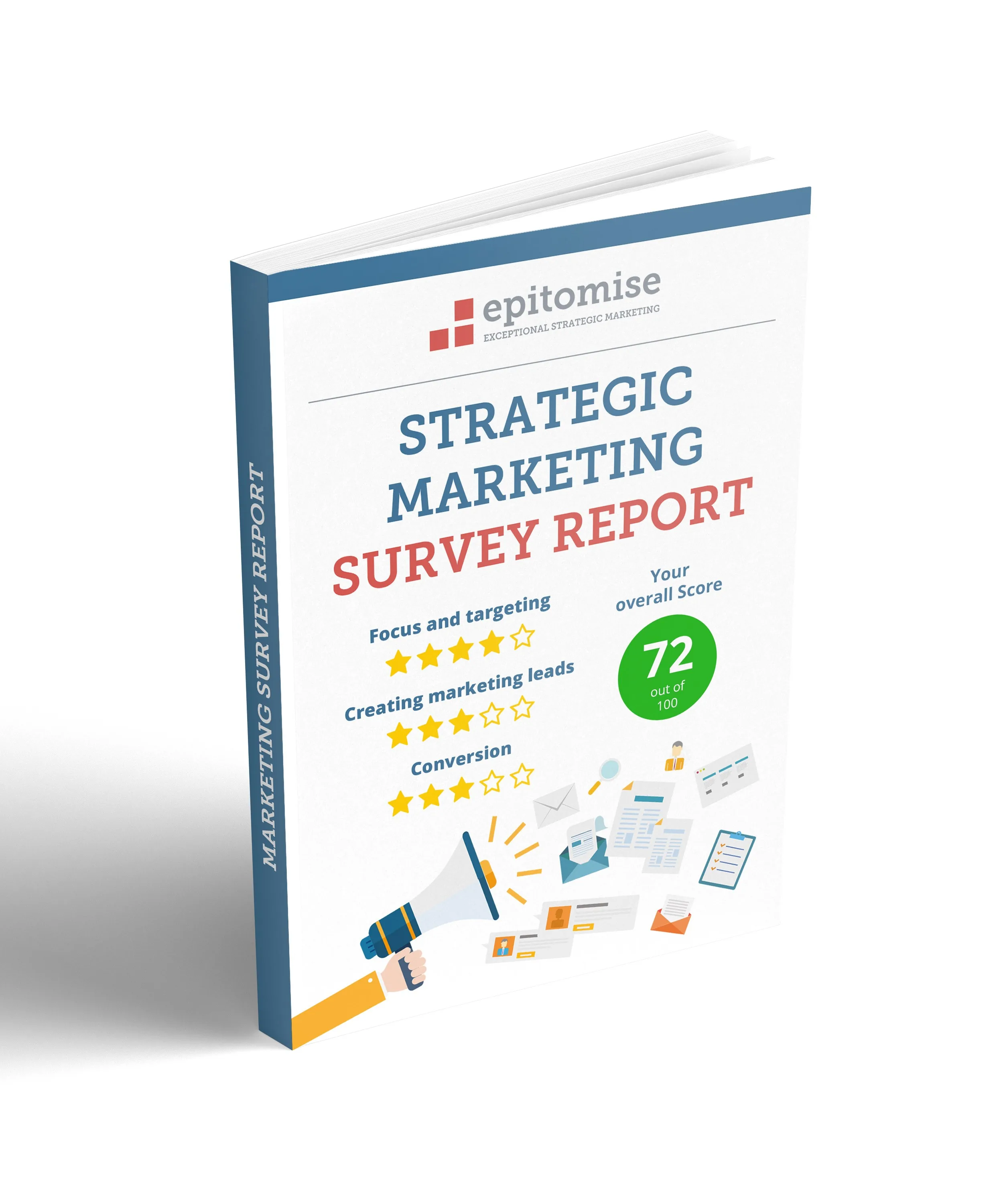
Our own example: after an online marketing health assessment, the participant receives a personal report. The whole process is automated.
Most people who engage will not be ready to buy. Your calls to action exist to capture that interest so it can be nurtured respectfully.
A promotion can accelerate progress through the journey and bring a purchase forward.
Take a test-frequently, fail-fast approach: modify, optimise or drop elements until the campaign has the right ingredients. Once it is optimised and automated, you can leave it running. Make sure you can measure the campaign’s impact separately from your other marketing.
When you review the build, identify the 20% of activity giving you 80% of the results and concentrate there. That is where depth and differentiation come from.
The benefit of digital is not only the transparency that tools such as Google Analytics provide, but the ability to start or pause with a click. Have enough leads, hit pause. Need more leads, switch back on or turn up the investment. Make sure your process lets you move through all twelve steps quickly.
If you want more on generating results from demand generation, read 5 tips to improve demand generation results and How to choose the right channels of communication.
If you would like help building a campaign that works this way, get in touch. Engagements are scoped by outcome, not by hours.
Who wrote this

Steve founded Epitomise in 2017 after UK, international and global marketing leadership roles, most recently as Global CMO of the Vitec Group’s Videocom Division. He works with SME and technology businesses on strategy, positioning and the execution that follows — more about Steve.
Read next
ABM for UK SMEs: how to run account-based marketing with a small team, and use AI for account research and outreach without losing credibility. Updated for 2026.
Where AI genuinely helps with marketing strategy and where it quietly misleads. A practical workflow for UK SMEs, updated for 2026 with what changed when AI started doing its own research.
Run marketing as a repeatable quarterly cycle — Review, Focus, Implement, Optimise — so strategy turns into shipped work and measurable pipeline.
A short discovery call is usually enough to tell. No deck, no pitch.
Book a discovery call